


 JOIN MY MAILING LIST
July, 13
2016
Once again preparing my next Photo Tour to the Pushkar Camel Fair
Harry Fisch
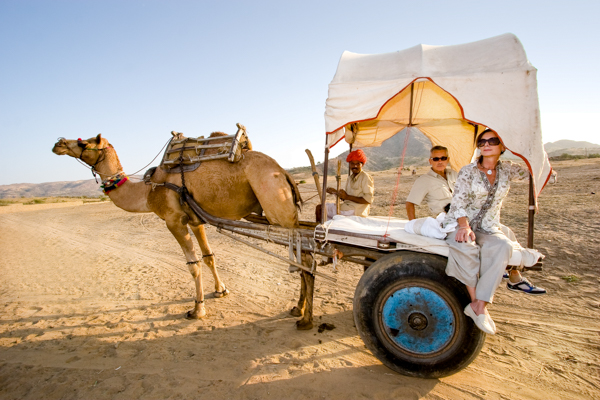
Join me on my Pushkar Photo Tour
It is not just with my Pushkar Photo Tour that I have gone exploring this great and chaotic event. This Camel fair is one of India’s greatest photographic adventure, and one of the most brilliant sites and festivals for a travel photographer. It’s enormous. It’s color incarnate, a whirlwind of movement, sound, and kaleidoscope of life in all its hues
You have to plan your theme or story. What story do you want to tell? Generally speaking, this means deciding what you want to photograph – the people? The landscape? A particular part of the culture, be it the wheeling and dealing, the religious aspect? Knowing this will help you decide where and what you’re going to shoot.
First instinct is to photograph everything you find. There are families in pup tents and gloriously old and rusted trailers, camels every which way, knobby kneed and slurping up water where they can find it. There are horses, shanty towns, kiosks that form small markets of food and riding accoutrements.
Getting Started: The People
It does well to remember that most of the people you will see and want to photograph, though happy, welcoming, and tolerant by and large, are here on business, and thus far less interested in you than you are in them. In fact, you may be in their way. Here are a few tips on approaching a stranger, despite any extant language barrier.
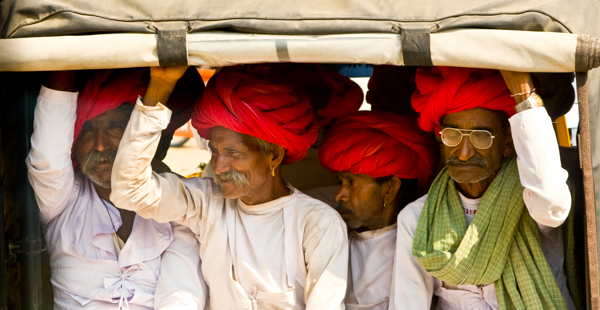
As aforementioned, the whole dizzying affair can be so stimulating it’s hard to decide what you want to do and how to use your time. Planning and preparation are the most vital activities I do on my photo tours to Pushkar.
It’s important to follow a few steps to give yourself structure.
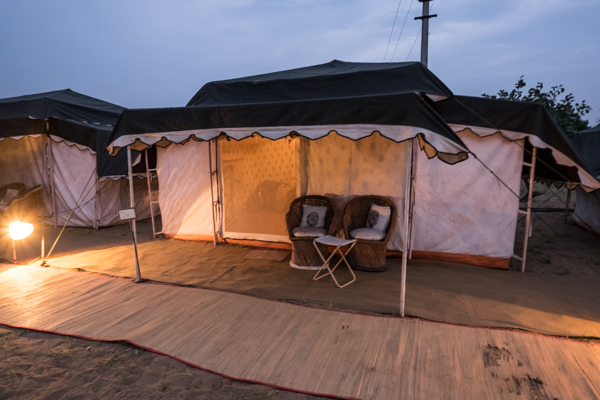
There might be more than one option, for example, there isn’t only one temple or ghat in this city but hundreds, so it does well to investigate a little and pick the locations you are more interested in ahead of time.
Create bonds. If there is anything that will truly help you with your photography it’s creating a real, human connection with your subjects whenever you can. The empathy will transmit through the photograph and bring it to life.
The livestock
Camels are not the most energetic creatures. They chew, they spit, they hang around, drinking, eating, generally being ornery but with no real oomph to it. And, there are hundreds if not thousands of them around, everywhere you turn, and it’s easy to forget they are more than just a constant in the background of your photos.

They are large animals, though, and one must be careful. Even though camels are not by nature particularly violent, they are, as I said, ornery. And they’re quite big. They can kick and spit and bite, and like all animals, if startled, they can behave unpredictably. So please be aware of them as more than just props, approach them with caution when going for close ups, and don’t forget if one is standing behind you!
The Story
What I always try to encourage on my photo tours, to India or otherwise, is the creation of a story. This is how to get the best results. While technique is obviously also essential, what is more important really is deciding carefully what to photograph and why. The narrative gives your photography structure, a path to follow, and it focuses your vision so you can not simply take a picture, but capture a moment. Many times I set up controlled environments often, as I have special access to tucked away, off the beaten path places gained through carefully cultivated relationships I’ve made traveling over the years.
If you really want to experience an incredible India Festival, join me on my Pushkar Photo Tour Do not miss interesting info on destinations and future Photo Tours. Be the first to benefit from special offers
