


 JOIN MY MAILING LIST
December, 5
2021
Voodoo and our Benin Photo Tour
Harry Fisch
In Benin, the choice was obvious for us: Voodoo. The country is the only one where voodoo is recognized as a religion, at the same level as the Catholic Church, for example.
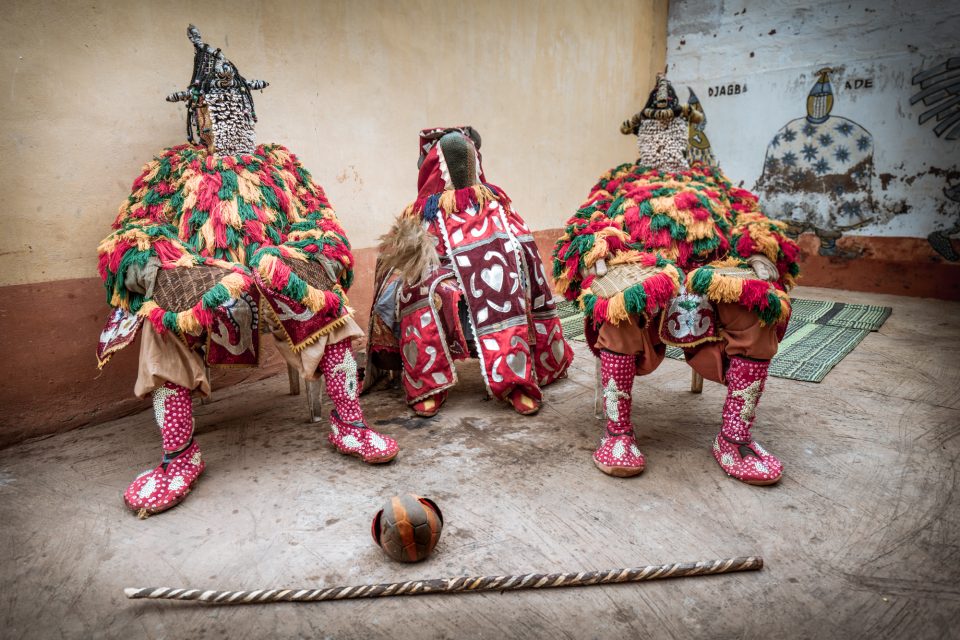
A photographic tour in Benin and the Voodoo.-
In all our photo tours and especially in the Benin Photo tour, we try to find a theme that will guide our entire program and photographic itinerary.
In Benin, the choice was obvious for us: Voodoo. The country is the only one where voodoo is recognized as a religion, at the same level as the Catholic Church, for example.
Today, this religion is practiced by between 12% and 20% of the population, according to official figures.
As a result of the different photo tours we have made to Benin, we were able to develop a series of contacts and friendships that allow us to gain a relevant advantage when it comes to sharing local rituals and generate our best photographs.
The vocation of our photo tours both in Africa and in the rest of our destinations is to permeate and share the cultural events that bring us the best photographic opportunities.
Today, this religion is practiced by between 12% and 20% of the population, according to official figures.

An iconic photographic adventure.-
The voodoo cult’s influence was undeniable during Dahomey’s reign and among the Yoruba and Fon ethnic groups, although it is practiced by a large number of others. As a result, it became an integral part of the country’s intangible – as well as tangible – cultural heritage. Along with gaining recognition as a religion, Ouidah established an annual festival.
Ouidah is the domain of the Zangbeto fetishes, night guardians who originate from secret societies, dance like spinning tops covered in raffia, and are feared throughout Benin and Togo’s Yoruba region.
Additionally, there is the Temple of the Pythons, located just fifty meters from the French-built Catholic church (they imported the custom of going to mass on Sundays, but could not prevent the same parishioners from invoking their ancestors among candles and streaks of blood).
The weight of the voodoo cult was undeniable in the construction of the country’s history during the reign of Dahomey and among the Yoruba and Fon ethnic groups, although it is practiced by many others.
As a result, it became an integral part of the country’s intangible – as well as tangible – cultural heritage.
Voodoo encompasses all of the divinities or invisible forces whose might or benevolence Men seek to appease. It is both an affirmation of a supernatural world and a set of procedures for interacting with it. Voodoo, which is inextricably linked to the differences in culture and pagan cults, became inextricably linked to the slave trade and thus spread to America, Brazil, and the Caribbean islands.
In what is now southern Benin, a vast kingdom called Dahomey existed with a powerful army known as the “Black Sparta.” This kingdom became a vital trading partner for the Portuguese, who traded ivory for red coral, a decorative element that became a symbol of power for Dahomey’s royalty.
Apart from becoming famous for their army of Amazons, the rulers of this kingdom engaged in human trafficking and enriched themselves through triangular trade, which bolstered their position relative to neighboring clans. Benin’s coastal region was a critical point on what is known as the “slave coast.”
In our photo tour in Benin, we visit and explore the different milestones that are related to this tragic story. Our tours are always people related and part of documentary and lifestyle photography.
Definetly our photo tour in Benin is one of the most exciting and interesting of the whole Nomad travel range.
You can join us on this photographic adventure in Benin
