


 JOIN MY MAILING LIST
November, 11
2026
China 2026 Photography Tour Report
Harry Fisch
China Photography Tour Report: Ethnic Minority Portraits from Kunming to Lijiang
In September 2026 our small group spent eleven days on a photography tour through Yunnan, China, travelling from Kunming north to Lijiang. We photographed Yi, Hani, Bai, Lisu and Tibetan people in their villages, homes and workshops — portrait and documentary photography on rice terraces, along the Tea Horse Road and in the mountains of the Three Parallel Rivers.
Kunming and the Stone Forest: Qing-Dynasty Costume Portraits
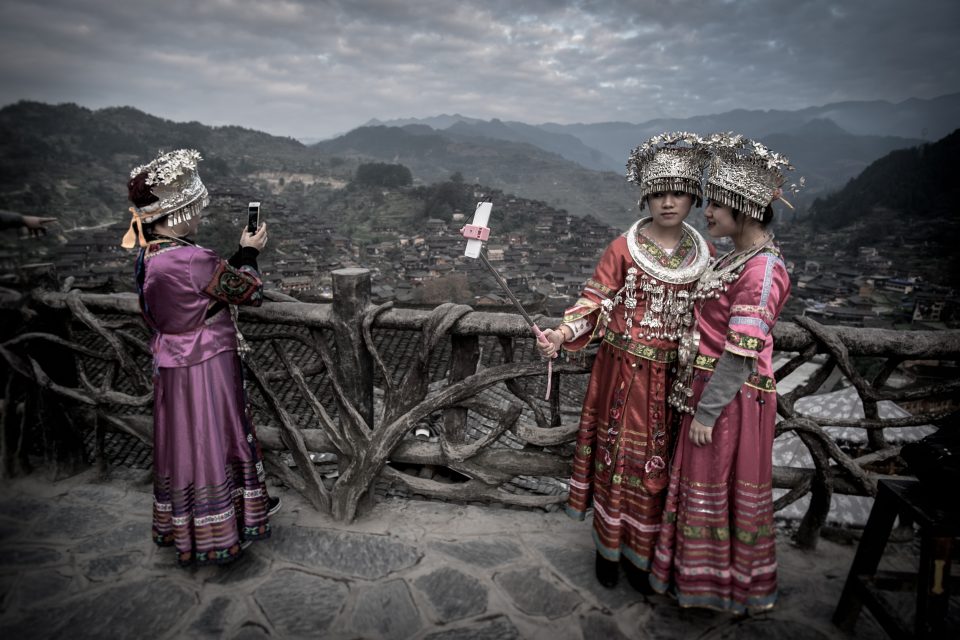
Yunnan is the most ethnically diverse province in China — home to more ethnic minorities than any other — and it does not wait long to prove it. Our first evening in Kunming began not with a briefing but with a portrait photography session: in a historic restaurant near Green Lake Park, sitters in Qing-dynasty costume took their places for our cameras — embroidered silks, high collars, stern imperial gazes held for a beat longer than anyone found comfortable. The first portraits of the trip were in the bag before the welcome dinner was served.
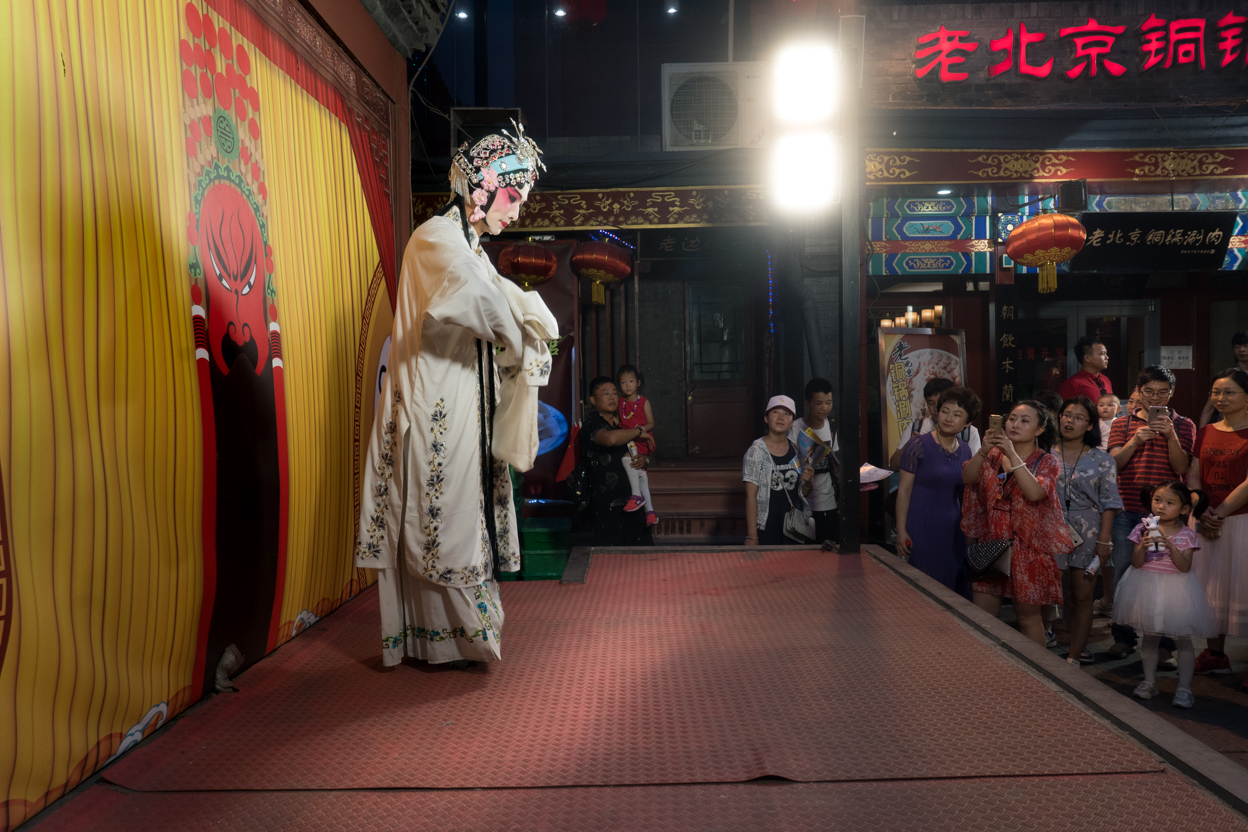
The next day we walked the grey limestone pinnacles of Shilin, the Stone Forest, with a local Sani guide, a fine place to practise framing figures against stone. The evening belonged to Impression of Yunnan, a stage performance of the province’s dances and songs — a useful overture for the faces that followed.
Yuanyang Rice Terraces: Portraits of the Yi and Hani
The road south brought us to Yuanyang and its rice terraces, carved into the mountainsides over centuries and stepping down the slopes like a staircase built for giants. Our portrait session there was with Yi people, photographed both out among the terraces and inside their own homes. Outside, the terraces gave us depth and geometry behind every sitter; inside, a single window did the work of a softbox, and the cameras slowed right down.
We returned to the terraces the following day for another round with the light, then headed to Azheke, a Hani village of so-called mushroom houses: thick earthen walls under steep, shaggy thatched roofs that really do look as if they sprouted overnight after rain. Here we photographed Hani people in and around their homes, in low, smoky interiors where every portrait had to be earned. Patience, here, was the best lens we had.
China Photo Tour
Jianshui: Ming-Dynasty Portraits in the Zhu Family Garden
On the road to Jianshui we stopped to photograph the Twin Dragons Bridge, its seventeen arches striding across the river, and then visited the Confucius Temple. But the highlight was the Zhu family garden house — a maze of courtyards, carved screens and moon gates — where models in Ming-dynasty costume posed for us among the pavilions. Every doorway became a frame, every courtyard a set, and the group moved from one composition to the next with the models patiently holding their poses. Two dynasties in three days. Not bad going.
Xizhou and Shaxi: Bai Portraits on the Tea Horse Road
The road then carried us west to Xizhou, between the Cangshan mountains and Lake Erhai. Our hotel was a former tea merchant’s residence, all old timber and carved beams, and that evening it became our studio: Bai sitters in traditional dress posed in its courtyards and doorways, the dark wood setting off the colours of their costumes beautifully. The next morning we drove to Zhoucheng for an indigo batik workshop — cloth tied, dyed and dyed again until the blue runs so deep it is almost black. Further on lay Shaxi, a town born of the Tea Horse Road. There we spent a long, unhurried walking portrait session with two Bai women in traditional dress, following them through the old town and photographing them as they went — its quiet, weathered textures making the perfect foil for their colour.
Tongle to Lijiang: the Lisu Goat Dance, Golden Monkeys and Tibetan Portraits
North of Shaxi we entered the Three Parallel Rivers protected area. In Tongle, a Lisu village of wooden muleng houses — log homes of stacked timber — the villagers gave us a ceremonial welcome and then performed the achimugua, the goat dance, its steps imitating the animals that share these steep slopes. We photographed the dance from every angle we could find, and afterwards came the portraits, with everyone still smiling. We continued to Tacheng for the night.
The final full day began early, in the forest of Golden Monkey National Park, home of the Yunnan snub-nosed monkey: pink-lipped, dark-crowned and, at that hour, entirely unbothered by a row of long lenses. Later came our last portrait session, with Tibetan sitters in a traditional house, all dark timber and warm hearth light — a fitting finale. Then on to Lijiang and the lantern-lit lanes of its old town, where we spent our last evening before the transfer to the airport the following morning.
China Photography Tour FAQ: Yunnan
When is the best time to go on a Yunnan photo tour?
We run this photography tour in September. Our 2026 trip took place that month, and the next departure is scheduled for 15–25 September 2027.
Who is this photography tour for?
Photographers drawn to portrait, ethnic and documentary photography who want to work with communities in their homes, workshops and village celebrations — as photographers welcomed in, not as spectators.
What kind of photography will I do?
Mostly portrait photography: arranged sessions with Yi, Hani, Bai, Lisu and Tibetan sitters, Qing- and Ming-dynasty costume portraits, the indigo batik workshop in Zhoucheng and the Lisu goat dance in Tongle. Landscapes come too — the Yuanyang rice terraces and the Stone Forest — plus the golden monkeys of Golden Monkey National Park.
How physically demanding is it?
The tour page rates it Fitness Level II, moderate activity: you need to be able to walk for two to three hours a day with regular breaks, most of the time taking pictures.
How large is the group?
It is a small-group photography tour with a maximum of eight people.
Is there an extension?
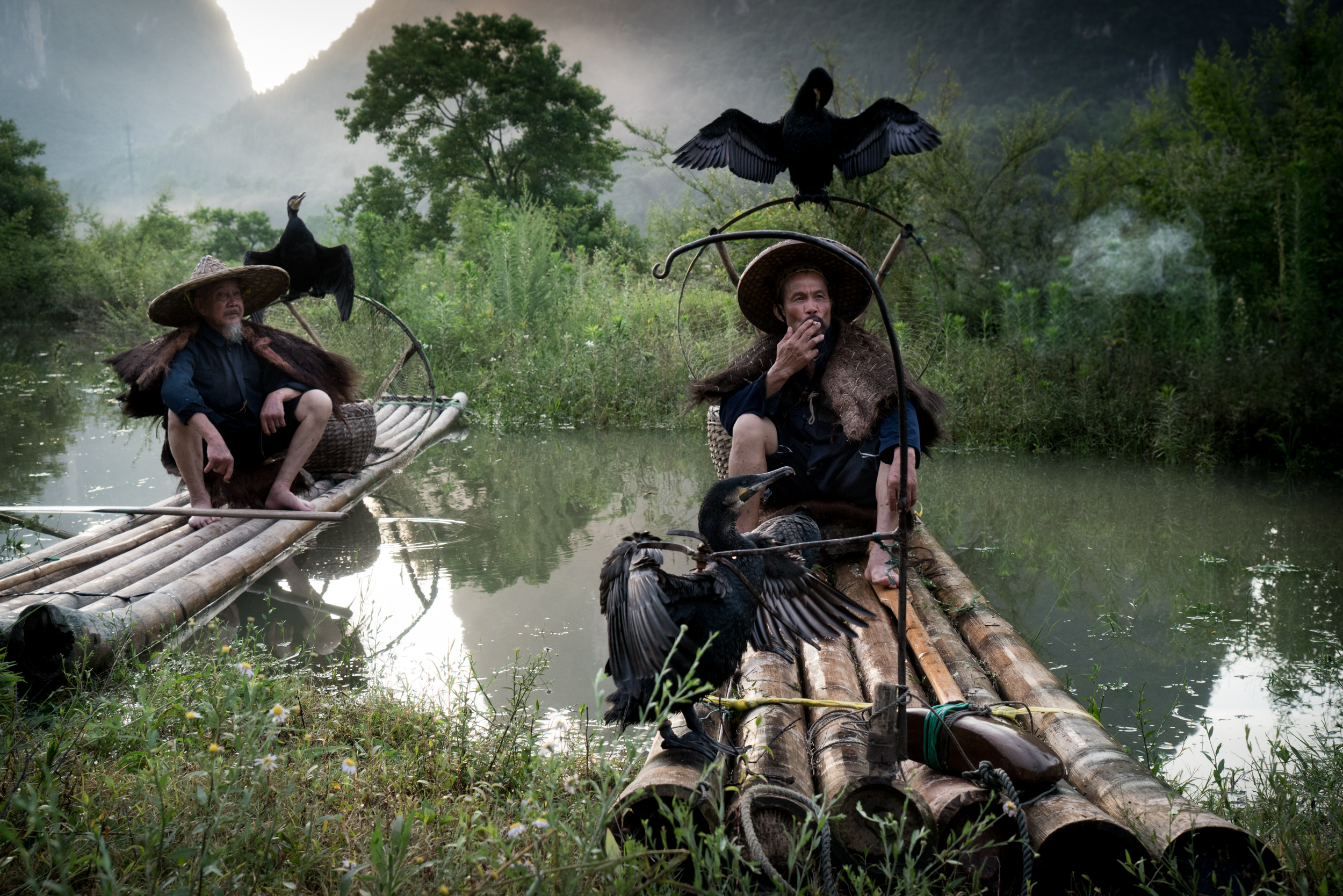
Yes: an optional five-day Guilin & Yangshuo extension for cormorant fishermen, mirror fields and karst landscapes.
