Oct. 28 - Nov. 08, 2026
$7,500
CRAFTED TO SURPASS EXPECTATIONS
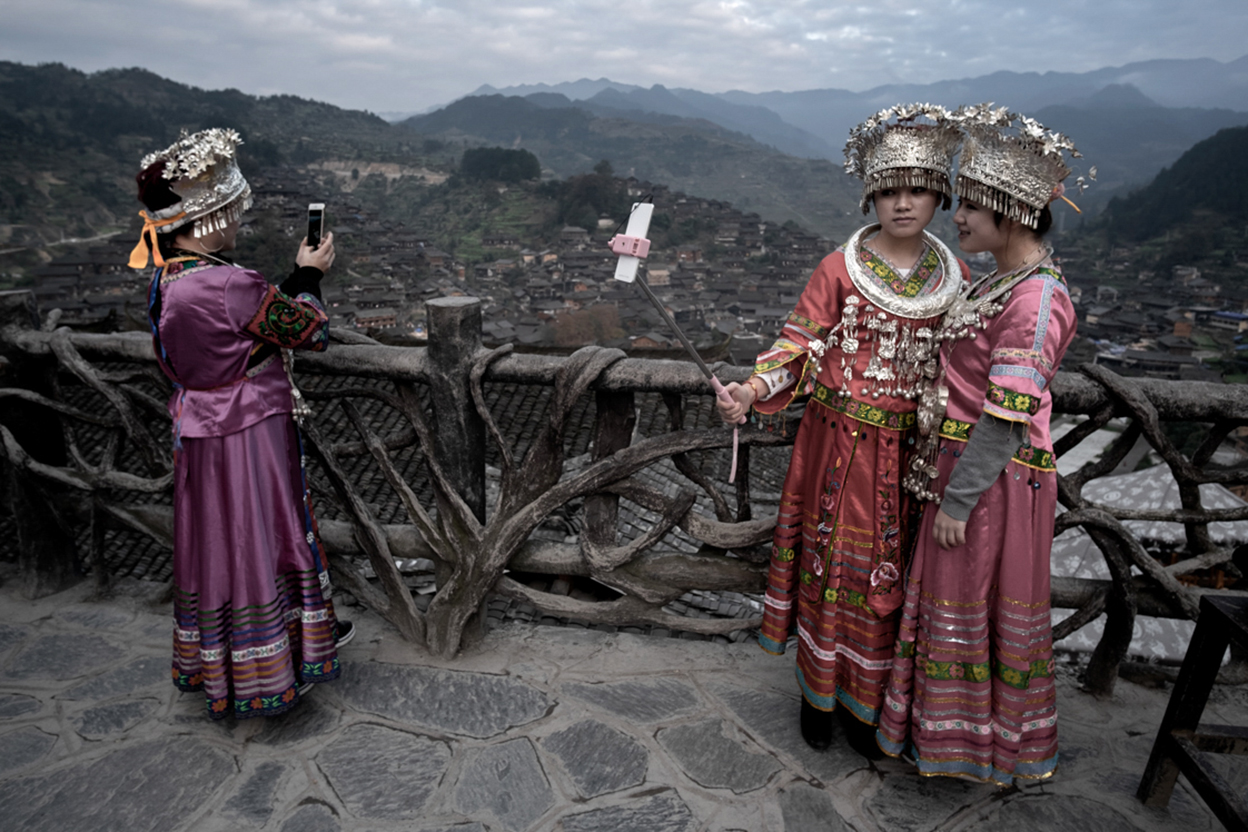
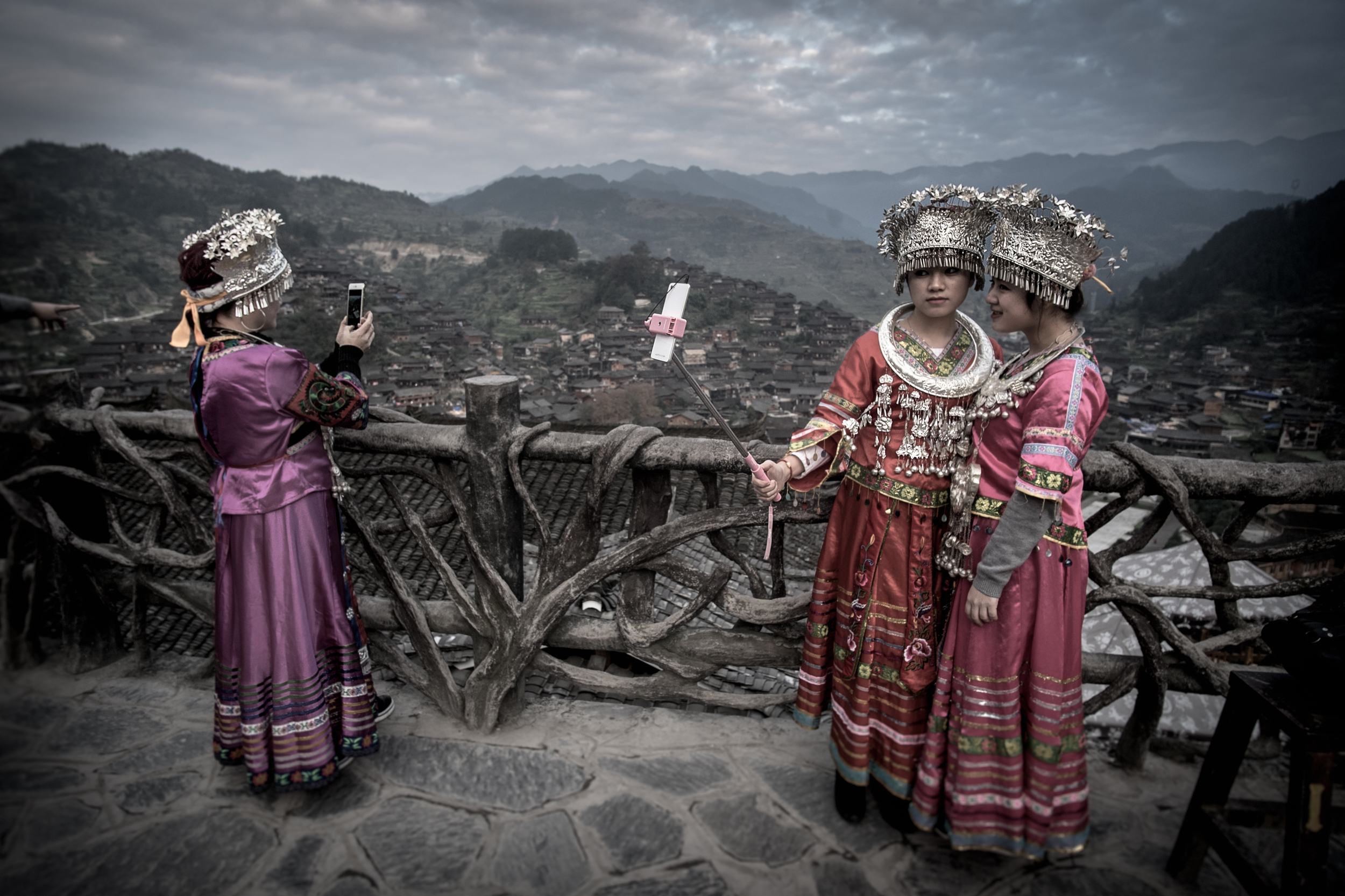
A Photo Tour in Yunnan, China, tracing ancient caravan routes toward India with Nomad, photographing ethnic minorities, dramatic landscapes, timeless villages, pagodas, and Tibetan monasteries in a region that feels like a world apart.

Founded Nomad Photo Expeditions in 2009, bringing with him a practice rooted in people photography and cultural documentation. His work across remote destinations has been recognized repeatedly by leading international photography institutions, establishing a well-documented record of artistic and field excellence.

Roberto Pazzi is an award-winning travel photographer and co-leader of Nomad Photo Expeditions. A self-taught photographer who began his career as an engineer before dedicating himself fully to cultural storytelling. With over 60 destinations explored, his work is published in prominent international media and honored by distinguished photography organizations worldwide

Founded by Harry Fisch and led together with Roberto Pazzi, Nomad has spent all these years refining the art of photographic exploration. Exciting challenges in remote destinations are treated as opportunities, not setbacks — a direct result of accumulated experience, deep local knowledge, and sustained commitment to exceptional field delivery.

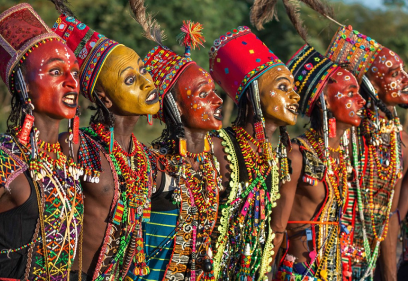
Beyond stunning locations, we secure uncommon access to people and places most visitors never reach. Through trusted local networks built over decades, we create entry points to remote villages, living traditions, and ordinary life — offering consistent opportunities to capture images of genuine cultural depth and lasting human significance.
We travel in small groups of 4–10 participants to preserve a more immersive and fulfilling experience. This encourages genuine engagement with each place and thoughtful photography, while providing individual coaching, meaningful feedback, and a respectful creative environment where every participant has the space and time to produce their best work.

 (855) 245-4205
 info@nomadphotoexpeditions.com
 Mon–Fri 08:30–17:00 (ACST)
This is an unconventional route through a region most tours skip, built for photographers rather than sightseers. Privileged, prearranged encounters — backstage at a Chinese theatre, a private Yi performance over lunch, Bai families playing music in their courtyards, batik artisans at work — put you inside living culture rather than behind a barrier. Combined with first-class boutique stays, a small group, and the experience of Harry Fisch and Roberto Pazzi, it turns Yunnan’s diversity into deeply human, story-led imagery.
Nomad runs this Yunnan journey in two seasons, so you can choose the conditions you prefer. There is an autumn departure in late October and early November, and a winter departure in February. The 2027 trip is scheduled for 17 to 28 February at 8,900 US$, while the late-October 2026 departure ran at 7,500 US$. Both follow the same eleven-day route along the ancient tea-and-horse caravan trails, photographing ethnic communities, terraced landscapes and historic towns across the province.
Most nationalities require a tourist visa to enter China, typically applied for in advance through a Chinese consulate or authorised visa centre, with requirements and any transit-visa exemptions varying by passport. We suggest confirming the current rules and processing times for your country well ahead of departure. The visa is not included in the tour price, so each participant arranges and pays for their own application and any associated service fees.
Yunnan is a very safe region to travel in, with low crime and a well-developed tourism infrastructure, and you are accompanied throughout by your photographer-leader and a local guide. The more practical considerations are logistical: this is a moderately active itinerary with several long road days, significant changes in temperature and altitude, and early-morning or evening sessions. Cobblestone lanes, stairs without handrails and uneven terrain call for steady footing more than any concern about personal security.
Accommodation is in first-class and boutique hotels chosen for comfort and character, with overnight stays in Kunming, Yuanyang, Jianshui, Xizhou, Shaxi, Tacheng and Lijiang. A particular highlight is Xizhou, where you stay in a charming hotel set within a beautiful old house that once belonged to an important tea-trading family. Rooms are based on double occupancy; a single-room surcharge of 490 US$ is available on the main itinerary for those who would rather have their own room.
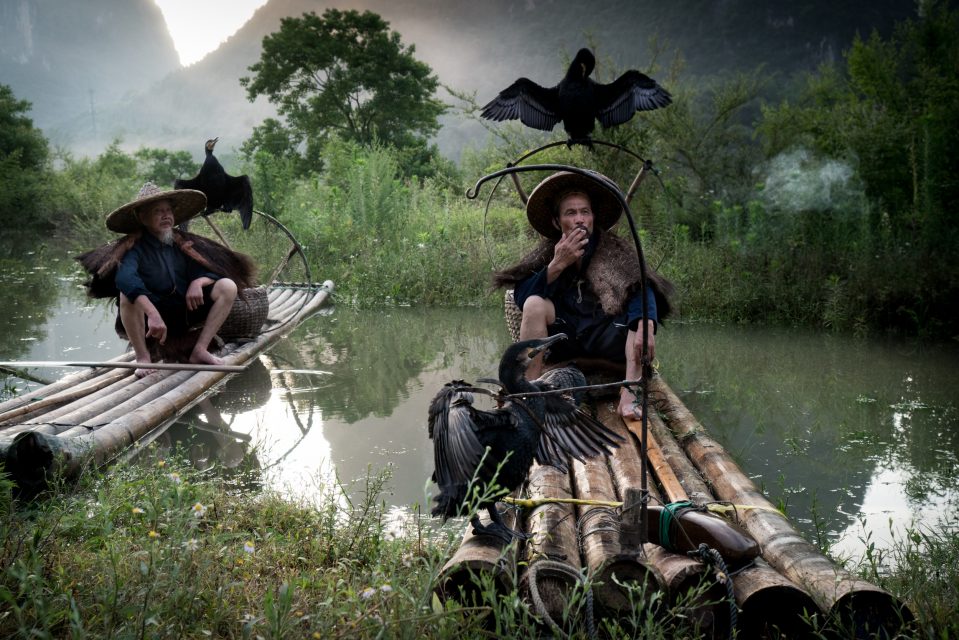
You travel overland in a private, air-conditioned bus, following the old caravan routes between towns and villages. Some days are long — the run from Kunming to Yuanyang is around six hours, and Jianshui to Dali roughly six — with regular stops for photography along the way. Airport pick-up and drop-off are included. If you add the optional Guilin extension, a local flight to reach it is arranged, with the cormorant fishermen and karst scenery photographed onward by road and river.
This is a Fitness Level II, moderately active trip suited to travellers in good general health who enjoy two to three hours of walking a day, mostly while photographing, at a gentle pace with regular breaks. You should be able to remain standing, board coaches, planes and trains unaided, climb several flights of stairs, and manage cobblestones, city hills and steps without handrails. Expect significant swings in temperature and altitude and some long touring days with early or late activity.
Yunnan is a tapestry of ethnic cultures and dramatic landscapes. You photograph the colourful Yi and the Hani in their distinctive “mushroom” houses, the Bai in traditional courtyard homes with their music, and Tibetan and Lisu communities near Tacheng. Set pieces include the vast Yuanyang rice terraces, the Stone Forest karst, backstage at a traditional Chinese theatre, indigo batik dyers at Zhoucheng, the Three Parallel Rivers reserve, endangered golden monkeys, and the UNESCO-listed old city of Lijiang.
The trip is led by travel photographer Harry Fisch and/or Roberto Pazzi, supported by a local guide who smooths logistics and translation. No prior experience is required. The itinerary is designed around photographic opportunities and a photography-focused rhythm, with individual coaching and feedback throughout, so amateurs and professionals travel together easily. Non-photographers are welcome as well, especially when accompanying a partner, and the leaders tailor their guidance to each participant’s level and goals.
Harry Fisch is a world-recognized travel photographer who founded Nomad Photo Expeditions in 2011, leading small-group cultural photo tours across more than 50 countries. His acclaimed work has earned international honors—PX3 Gold in Paris, IPA Awards of Merit, a MIFA Bronze in Moscow, Grand Prix de la Découverte jury awards, Photoespaña and Lens Culture—celebrated worldwide for its human depth.
Roberto Pazzi is a world-recognized Italian travel photographer, an engineer-turned-expedition-leader who partners with Nomad Photo Expeditions across more than 60 destinations. His acclaimed work has earned global honors—2025 European Photography Awards Photographer of the Year, Smithsonian, PX3, TIFA Gold, MIFA, BIFA and New York Photography Awards—and reached publications worldwide including National Geographic, GEO, The Times and The Guardian.