
Oct. 13 - 25, 2027
$11,900
CRAFTED TO SURPASS EXPECTATIONS
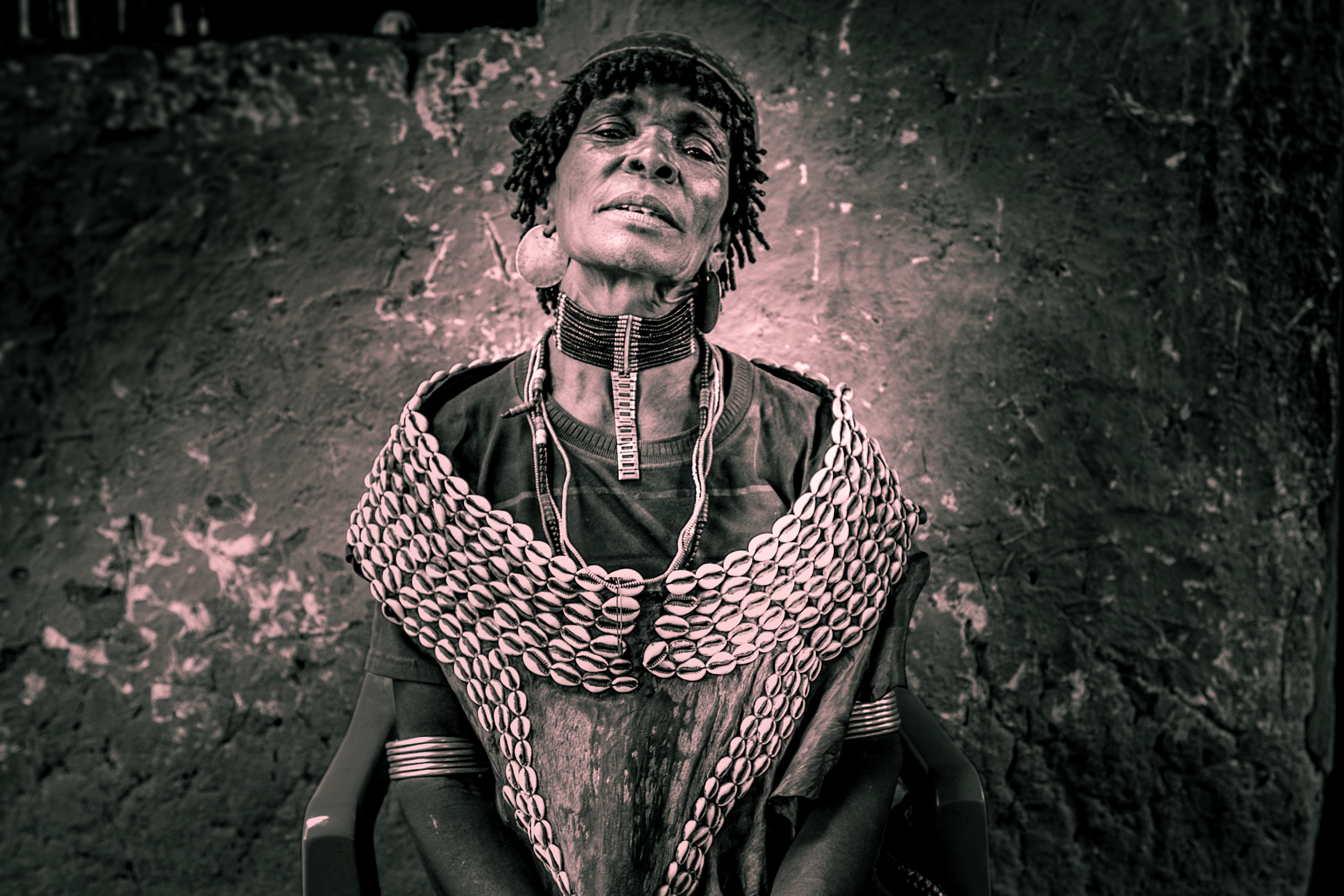
Fourteen years among the Omo Valley's Mursi, Hamer, and Surma tribes have built what cannot be purchased: the trust that allows photographers to sleep near villages and document life as genuine guests.

Founded Nomad Photo Expeditions in 2009, bringing with him a practice rooted in people photography and cultural documentation. His work across remote destinations has been recognized repeatedly by leading international photography institutions, establishing a well-documented record of artistic and field excellence.

Roberto Pazzi is an award-winning travel photographer and co-leader of Nomad Photo Expeditions. A self-taught photographer who began his career as an engineer before dedicating himself fully to cultural storytelling. With over 60 destinations explored, his work is published in prominent international media and honored by distinguished photography organizations worldwide

Founded by Harry Fisch and led together with Roberto Pazzi, Nomad has spent all these years refining the art of photographic exploration. Exciting challenges in remote destinations are treated as opportunities, not setbacks — a direct result of accumulated experience, deep local knowledge, and sustained commitment to exceptional field delivery.

Beyond stunning locations, we secure uncommon access to people and places most visitors never reach. Through trusted local networks built over decades, we create entry points to remote villages, living traditions, and ordinary life — offering consistent opportunities to capture images of genuine cultural depth and lasting human significance.
We travel in small groups of 4–10 participants to preserve a more immersive and fulfilling experience. This encourages genuine engagement with each place and thoughtful photography, while providing individual coaching, meaningful feedback, and a respectful creative environment where every participant has the space and time to produce their best work.

 (855) 245-4205
 info@nomadphotoexpeditions.com
 Mon–Fri 08:30–17:00 (ACST)
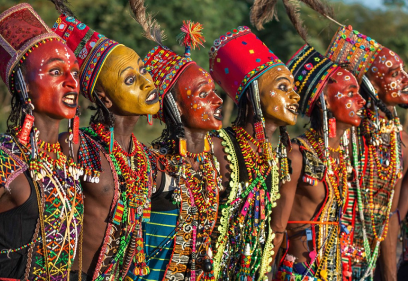
This expedition runs from 12 to 24 October 2026, timed for Ethiopia’s drier post-rains season when the Omo Valley’s tracks are passable and tribal life is at its most photogenic. October light favours early-morning portraits amid cattle dust and fire smoke, and the itinerary lines up with vibrant weekly markets at Turmi and Alduba. Departing at dawn each day, you capture the Bodi, Suri and Hamer in golden light. A 2027 departure on the same October dates is also offered.
Most travellers require a visa for Ethiopia, commonly arranged in advance through the official e-visa system or your nearest embassy. You will also need a passport valid for at least six months with blank pages. Visa fees, insurance and airline taxes are not included in the tour price, so budget for these separately and check the latest entry rules for your nationality well ahead of departure. Requirements can change, so confirm with an official source before booking flights.
Ethiopia has experienced political instability in various regions over the years, so safety is something we screen and reassess continuously rather than assume. The Omo Valley areas we visit lie far from the flashpoints and have stayed stable, but we track government advisories and local intelligence right up to departure, ready to adapt the route if circumstances change. Throughout, you are accompanied by an award-winning leader and experienced local guides who smooth every interaction. This is remote, rugged travel, so a flexible, adaptable attitude matters as much as anything.
Accommodation alternates between immersive camping and the best lodges available in remote areas. You spend roughly five nights in private camps beside Bodi and Suri villages, equipped with tall tents, proper beds, thick mattresses, portable showers and toilets, full board and a dedicated cook and support crew. The rest of the trip uses carefully chosen hotels and lodges such as the Best Western in Addis Ababa, Paradise Lodge near Turmi, Kanta Lodge and Haile Lodge.
You travel overland by 4x4 vehicles built for rough terrain, with a maximum of three participants per car so every photographer is guaranteed a window seat. Internal logistics also include one domestic flight from Addis Ababa to Jinka, roughly 300 dollars and not included in the price, which your team books for you. Expect long drives over unpaved roads, river-bridge crossings and early starts, all part of reaching tribal areas few outsiders ever access.
This is rated Level 3, Active, with no trekking, suited to physically fit travellers comfortable with long, full days. The challenge comes from daily extended drives across rough terrain, very early departures and time spent in remote regions with uneven ground and occasional steep ascents and descents. There is no glamping or luxury here; you are venturing deep into the Omo Valley, so flexibility, stamina and a willingness to adapt to changing logistics are essential.
Your expedition is led by Harry Fisch and/or Roberto Pazzi, both internationally award-winning photographers, supported by expert local guides. Photographers of all levels are welcome: whether you shoot professionally or are still developing, you receive hands-on guidance on light, composition and building rapport with your subjects. The small group format means personal attention in the field, and the leaders are known as natural teachers who step in when you want help and step back when you are ready.
Harry Fisch is a world-recognized travel photographer who founded Nomad Photo Expeditions in 2011, leading small-group cultural photo tours across more than 50 countries. His acclaimed work has earned international honors—PX3 Gold in Paris, IPA Awards of Merit, a MIFA Bronze in Moscow, Grand Prix de la Découverte jury awards, Photoespaña and Lens Culture—celebrated worldwide for its human depth.
Roberto Pazzi is a world-recognized Italian travel photographer, an engineer-turned-expedition-leader who partners with Nomad Photo Expeditions across more than 60 destinations. His acclaimed work has earned global honors—2025 European Photography Awards Photographer of the Year, Smithsonian, PX3, TIFA Gold, MIFA, BIFA and New York Photography Awards—and reached publications worldwide including National Geographic, GEO, The Times and The Guardian.
The tour costs 10,900 US dollars per person for 5 to 8 participants, based on double occupancy. Included are workshop leaders Harry Fisch and/or Roberto Pazzi, all meals except the first and last days, local guides, 3- and 4-star hotels, lodges and full camp setups, 4x4 transport with a window seat each, and airport transfers. Excluded are international flights, the roughly 300-dollar domestic flight, tips, insurance, visa and airline taxes.
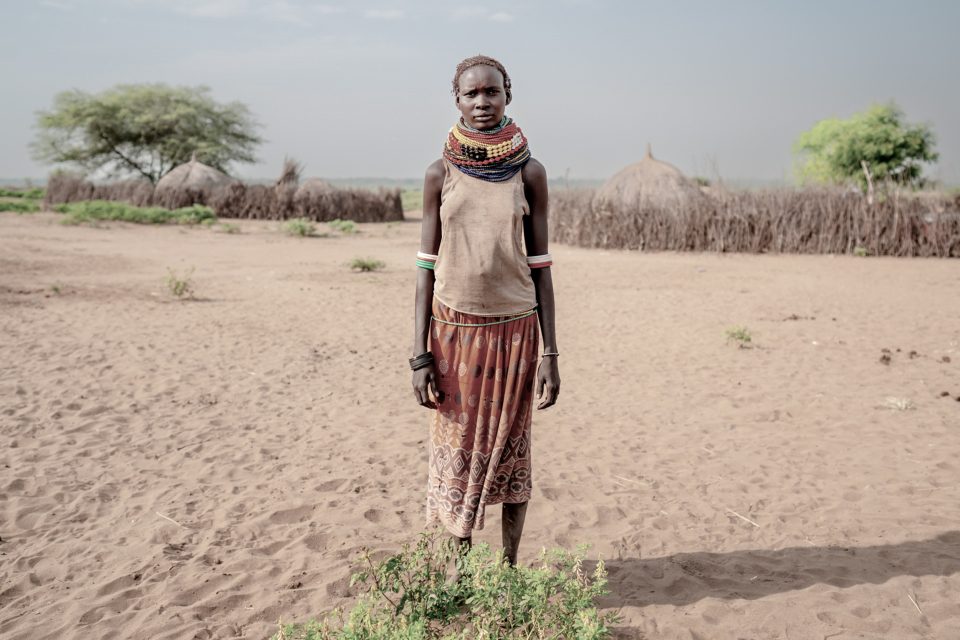
Harry Fisch has explored and photographed Ethiopia for over fifteen years, and that depth shows in the access and relationships behind every encounter. Rather than staged shows, you camp beside villages, witness genuine rituals at dawn and connect personally with communities most travellers never reach. The trip is photographer-led, not a generic sightseeing circuit, with a small passionate group, private camps in immersive locations and a focus on ethical, intimate documentation of a vanishing tribal world.
Group size is capped at eight, keeping the experience nearly private and giving you time and space to work each scene without crowds. Standard tours often park you on the polished circuits; here you go far beyond them, deep into the Omo Valley, camping among the Bodi and Suri. Smaller numbers mean richer rapport with subjects, more individual coaching from the leader, and the flexibility to linger where the light and the moment are strongest.
Years of trusted relationships and local expert guides open doors that are very hard to reach alone: overnight camping right beside Bodi and Suri villages, riverside body-painting sessions, and respectful close-range portraiture during genuine ceremonies. The team arranges Suri guides whose presence eases interaction, secures market-day timing at Turmi and Alduba, and navigates permits and remote logistics in regions with almost no infrastructure. This is privileged, ethically grounded access built on fifteen years of returning to these communities.