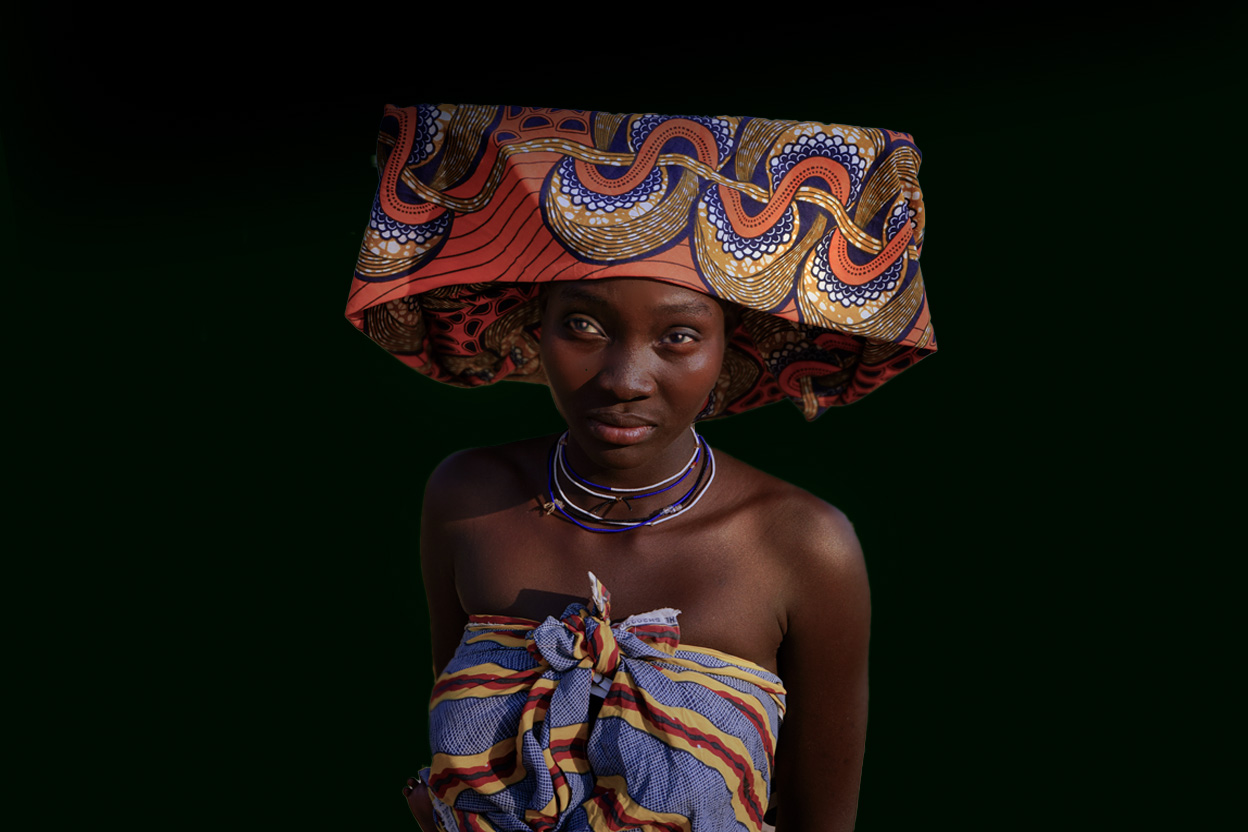
Our Angola photography expedition is probably the most immersive tribal and cultural photographic expedition in the country. As we journey through the southwest, we’ll spend time with both settled communities near rural towns and nomadic families crossing the vast terrain. We’ll set up camp in or near their villages, share moments as their children tend livestock, and accompany them to local wells.
This is the backdrop for some of Africa’s most visually captivating and culturally rich tribal communities that we visit: the Ngueldelengo, Mucubal, Mumuhila, Dimba, Himba, Hacaona, Tua and Humbi
For years, Angola remained largely inaccessible to outsiders. Still, visiting Angola’s remote tribal regions feels like stepping into the early days of photographic exploration—raw, real, and thrillingly authentic.
This photography journey is crafted for those who thrive on the unexpected—photographers who can capture a candid street moment just as skillfully as they frame shifting desert light.
Angola doesn’t conform to scripts. But for those drawn to authenticity, visual poetry, and Africa at its most raw and radiant, this is the trip of a lifetime.
Since Angola began to open up, some of these tribes have felt the pressure of modern encroachment and have retreated deeper into the wilderness to preserve their traditions and way of life. Unlike the more orchestrated cultural encounters across the Namibian border, Angola offers something far more spontaneous.
Its semi-nomadic peoples live authentically in the wild, and visiting them means camping under the stars, traveling by dirt tracks, and being ready for whatever the road—or trail—offers.
As we travel through southern Angola, the landscapes shift gradually, revealing a rich visual narrative shaped by elevation, climate, and time. We begin in Lubango, where cool mountain air and the dramatic Tundavala Gap offer expansive views stretching far into the southern plains. The descent through the winding curves of Serra da Leba is equally striking—its serpentine road framed by green ridges and wide, open skies.Further into the bushlands near Oncocua, the landscape becomes more remote and elemental—dusty tracks, sparse vegetation, and long horizons dominate the view.
The land here feels infinite, shaped by wind and resilience
Across these varied landscapes, we don’t just witness Angola—we live in its textures, its silence, and its immense, untamed beauty. Each day brings a new setting, and each frame tells part of the story.
Nguendelengo
Tucked away in the Serra da Leba highlands, the Nguendelengo are one of Angola’s most elusive ethnic groups. Often classified as anthropologically extinct, their resilience defies categorization. Their cultural legacy is fiercely preserved by the women, who wear unique triple-stranded beehive hairstyles and carry infants in beautifully crafted goatskin papooses. Very isolated and refusing to intermarry — even with related Kuvale communities — makes encounters with them a rare privilege and a window into a fading world.
Their settlements consist of modest clusters of round huts constructed from mud and branches, often surrounded by livestock enclosures made of thorny brush. These villages blend seamlessly with the mountainous landscape, reflecting a harmonious relationship with nature.
Photographic Highlights: Early morning light reveals their elegance — from the symmetry of their hairstyles to expressive facial features. Intimate access to village life yields timeless portraits that speak of fragility and cultural endurance.
Mucubal
The Mucubal are semi-nomadic pastoralists who walk the delicate line between the past and the present. Deeply tied to the Herero lineage, their society is structured around aesthetic codes and rites of passage. Women are the bearers of tradition, seen in their colorful headdresses, painted skin, and symbolic jewelry.
Ceremonies such as the fico, marking a girl’s transition to womanhood, remain central to their identity and social fabric. Mucubal homesteads, often temporary, are composed of simple dome-shaped huts made from wooden poles, animal hides, and woven grass, reflecting their nomadic lifestyle and adaptability.
Photographic Highlights: From vibrant marketplaces to tranquil village scenes, the Mucubal with rich textures and powerful visual storytelling. Their attire and rituals create striking compositions, especially in soft afternoon light.
Mumuhila (Muhila)
In the heartland of Huíla province, the Mumuhila people continue to uphold one of Angola’s most intricate aesthetic traditions. Women’s hairstyles are architectural feats — elaborate sculptural forms molded with tree bark paste, fat, and pigments. Each braid and bead tells a story of status, age, or life stage. Passed down through generations, these practices are more than beauty: they’re living archives of identity and belonging. Their villages, known as kimbos, are organized around family compounds with round huts built from clay and straw, each adorned with utilitarian and decorative motifs.
Photographic Highlights: Markets like Mucuma and remote kimbos offer immersive scenes. The contrast between adorned figures and natural settings makes for breathtaking compositions. Focused lenses reveal astonishing craftsmanship in hair and ornament.
Dimba
Tucked in the southern reaches near Oncocua, the Dimba maintain cultural distinctiveness despite external pressures. Their identity is etched into ceremonial hairstyles and coming-of-age rituals, which continue alongside Christian influences. Few outsiders have witnessed their traditional rites, making any visit an invitation into a closely guarded world. Dimba villages are typically scattered, with circular huts made from earth and straw, and communal spaces for gatherings and rites of passage.
Photographic Highlights: Portraits during ceremonial gatherings or candid moments at local markets reflect a balance between tradition and adaptation. Warm tones and natural light highlight their vibrant attire and facial expressions.
Himba (Ovahimba)
Known as the “Red Ochre People,” the Himba are cultural icons of the southern African deserts. In Angola, their traditions remain untouched by the staged performances common across the border in Namibia. Marriage status, age, and spiritual beliefs are communicated through elaborate hairstyles and ochre-covered skin. Their lives revolve around cattle, ancestral fire rituals, and a deep cosmological connection to the land. Himba homesteads are composed of simple, circular huts built from a mix of mud and dung, arranged around a central fire, which serves as the spiritual core of the family unit.
Photographic Highlights: The ochre glow against desert backdrops creates unforgettable imagery. From solemn rituals to the daily rhythm of life, their authenticity translates powerfully through the lens.
Hacaona (Ovahakaona)
In the arid lands of Cunene, the Hacaona women are visual storytellers. They wear the Kapopo — a crown of beads, leather, and paper — over hair treated with charcoal and fat. These ornaments are not mere decoration, but markers of identity, fertility, and readiness for marriage. When they dance, breaking into athletic twirls during ceremonies, they embody grace and resilience. Their settlements are modest yet distinct, featuring low-slung huts made of wood, straw, and dung, with communal areas reserved for ceremonies and gatherings.
Photographic Highlights: Dynamic motion shots during dance rituals, close-ups of textured skin and headwear, and quiet moments of daily beauty all make the Hacaona striking subjects.
Tua (Ovatwa)
Often overlooked and living on the periphery, the Tua are among the last pygmy groups in Angola. Marginalized but culturally rich, they are known for their blacksmithing skills and resourcefulness. Their homes, crafted from salvaged materials, blend into the bush — a testament to both hardship and ingenuity. Tua homesteads are eclectic, combining wood, scrap metal, plastic sheeting, and cloth in a patchwork that speaks of survival in harsh conditions.
Photographic Highlights: Blacksmith workshops using remnants of war, children in makeshift villages, and portraits that reflect dignity amid scarcity are among the most powerful images one can capture here.
Humbi
In the far south near Xangongo, the Humbi people celebrate female transition with one of Angola’s most visually arresting hairstyles. During the fico initiation, girls wear enormous side loops — a symbol of maturity and readiness. This ritual, performed particularly in October, is deeply rooted in ancestral heritage and feminine pride. Their villages consist of neatly ordered circular huts made from mud and thatch, arranged around livestock pens and open courtyards where ceremonies often take place.
Photographic Highlights: These hairstyles, sculptural and symbolic, demand thoughtful framing. Whether shot in golden light or against village textures, they offer a unique celebration of identity and tradition.
ITINERARY
DAY 1. JUNE 2ND – ARRIVAL IN LUANDA
We arrive in Luanda, where our local team meets us at Quatro de Fevereiro International Airport. After a warm welcome, we transfer to our hotel and settle in. It's a day for rest and adjustment, allowing us to prepare for the journey ahead. Overnight stay in Luanda.
Photographic Opportunities:
Street corners, open markets, and seaside avenues offer excellent scenes for capturing the city’s contrasts. The interplay of colonial façades and contemporary bustle allows for compelling environmental portraits and candid slices of daily life.
DAY 2. JUNE 3RD – LUANDA TO LUBANGO (FLIGHT)
After breakfast, we make our way to the airport for our domestic flight to Lubango, the vibrant capital of Huíla province. Upon arrival, we transfer to our hotel and enjoy our first taste of Angola’s highland culture. We visit two of the region’s icons: the dramatic Tundavala Gap and the Christ the King monument, both offering panoramic views and a strong sense of place. Overnight stay in Lubango.
Photographic Opportunities:
The expansive views at Tundavala and the iconic outline of Christ the King provide striking compositions. In town, the mix of modern life and historical texture invites both posed shots and spontaneous portraits against richly layered backgrounds.
DAYS 3 TO 6. JUNE 4TH–7TH – LUBANGO, GARGANTA & CHIBIA
These four days immerse us in the heart of Angola’s tribal south. We begin by exploring the staggering Tundavala escarpment and winding down the scenic Serra da Leba pass, two of Angola’s most iconic natural landmarks. From there, we venture into the isolated regions of Garganta and Chibia, camping in remote areas and entering the worlds of the Nguendelengo, Mucubal, and Mumuhila peoples. We visit the Anthropological Museum in Lubango and colorful markets like Mucuma, where diverse ethnicities meet. Our days are filled with rich photographic opportunities: sculpted hairstyles, ceremonial clothing, and daily moments that speak of heritage and identity. We sleep in fully supported camps close to the communities we visit.
Photographic Opportunities:
The elaborate adornments and sculptural hairstyles of the Mumuhila and Mucubal women become focal points for portraiture. Markets burst with texture and interaction, ideal for candid frames. The changing light across mountain landscapes adds atmosphere to scenes of village life, while respectful portrait sessions allow for both still intimacy and narrative depth.
DAY 7. JUNE 8TH – CHIBIA TO ONCOCUA
This morning we leave Chibia behind and travel further south. Our route takes us through Dimba territory, including a stop in Canhimei. Along the way, we observe traditional villages and witness how these cultures maintain their rituals in the face of modernity. Our final destination is Oncocua, a quiet outpost where we set up camp for the night.
Photographic Opportunities:
Village architecture, textured landscapes, and roadside encounters make for a slower, more observational photography day. Light interacts beautifully with rural silhouettes and intimate domestic activity, offering space for storytelling without direction.
DAY 8. JUNE 9TH – ONCOCUA (HIMBA, HACAONA, TUA, DIMBA VILLAGES)
We spend the full day exploring the cultural diversity of Oncocua. In this town and its surrounding areas, we meet Himba, Hacaona, Tua, and Dimba communities. The local market brings many of these tribes together in a vibrant atmosphere that reflects their co-existence. This is one of the best opportunities for spontaneous photography and cultural immersion. Overnight in camp.
Photographic Opportunities:
Faces painted in ochre, children at play, dancers preparing for a celebration—each moment becomes a visual conversation. The diversity of ethnic dress, movement, and interaction at the market allows for both detail-focused and wide-angle documentary images. Portraits, whether composed or naturally unfolding, reveal the spirit of each community.
DAY 9. JUNE 10TH – ONCOCUA TO XANGONGO (HUMBI VILLAGES)
Our route takes us toward the Namibian border, where the dry plains around Xangongo open up. Today is dedicated to discovering the traditions of the Humbi, particularly the women’s remarkable hairstyles, worn during their fico initiation ceremonies. Their visual language is unique, and we take time to document it respectfully. Overnight in camp.
Photographic Opportunities:
The looped hairstyles and ceremonial jewelry of the Humbi women lend themselves to close-up work and symbolic portraiture. Observing the rituals from a respectful distance, it’s possible to capture powerful moments that speak of identity, heritage, and beauty.
DAY 10. JUNE 11TH – XANGONGO TO LUBANGO
We begin our return to the highlands, journeying back toward Lubango. Along the way, we pause to take in the landscape once more—now familiar, yet seen through the lens of everything we've experienced. Overnight stay in Lubango.
Photographic Opportunities:
Soft morning light over expansive savannas allows for abstract compositions and minimalist landscape photography. Occasional encounters along the road add context to the human presence in this wide terrain.
DAY 11. JUNE 12TH – LUBANGO TO LUANDA (FLIGHT)
A morning transfer takes us to the airport, where we board our flight back to Luanda. Once in the capital, we return to the hotel and enjoy our final evening in Angola. Overnight stay in Luanda.
Photographic Opportunities:
This closing chapter is perfect for reflective imagery—urban twilight, final glances, or portraits that capture a sense of completion. The changing light and our own sentiment create subtle but emotionally resonant images.
WHAT'S INCLUDED
PRICE
Prices are per person and based on double occupancy. A limited quantity of single-occupancy rooms is available for an additional charge.
The maximum number of participants is listed under "Maximum Group" in the Price section of each photo tour. However, we reserve the right to add by up to two, the maximum number of 2 participants per tour at any time.
The price of unsold tours is subject to change. For confirmed bookings, prices may only change under specific circumstances — and any increase up to 2% will be fully absorbed by us. Please refer to our Terms and Conditions for details.
PRICE LINKED TO NUMBER OF PARTICIPANTS
This photo tour price is directly related to the number of travelers. As our group increases, we're able to reduce the per-person price.
Upon registration, you'll be invoiced for the highest published price.
This amount will be adjusted 60 days prior to departure, when your final payment is due, reflecting the group size at that time. Your final invoice will be calculated based on the ultimate number of participants.
Should the group consist of fewer than 5 people, the fee will be $9,900. For groups of 5 or more, the cost will be $8,900.
If participation falls short of our minimum threshold, a small group surcharge may be necessary. Our past experience indicates that travelers generally prefer paying more to ensure the trip proceeds.
COMFORT AND FITNESS LEVEL.-
Lodging: Best Available Hotel in Luanda, Tall Tents, Tented Camps
The schedule will /could change, frequently. We will be traveling on most decent and some rough roads and sometimes have very long days. Road conditions vary greatly, especially in rural areas. Unexpected conditions (weather, government restrictions, etc.) can occur and make alternate routings necessary.
A flexible, adventurous attitude, good humor, and a good book are important things to bring with you. There may be times when everything goes perfectly and without delay; other times you wonder if you will ever reach your destination. These comments are not meant to alarm you but only to forewarn you that travel in Angola can sometimes be frustrating.
We are working with people in a country where the service industry is non-existent. The few hotels are decent but not luxurious. Occasionally the hotel where we stay is the only acceptable alternative. We could face the frustration of not being able to photograph what we planned to achieve on the day.
Moderate Fitness: A reasonable level of fitness is required. You will need to be able to walk for a few hours -most of the time taking pictures - at a gentle pace, remain standing, get on and off cars, planes, unassisted.
Trekking: No
Altitude: No
SERVICES INCLUDED.-
- Tutoring by photographer/expert Roberto Pazzi
- Local Flight
- Reception at the airport on arrival and exit
- Transportation by 4x4 vehicles air-conditioned.
- Accommodation
- All meals except the arrival and departure days
- All visits
- Expert guide
SERVICES NOT INCLUDED.-
- International Flights
- Optional activities and visits
- Tipping to Guide and Driver
- Personal extras, such as drinks, laundry, telephone, etc.
- Visas.
- Air taxes
- Airport taxes
- Any other item not mentioned as included